8 oz
Wildflower honey from our hives. Ask what we have on the shelf.
Ask about this jar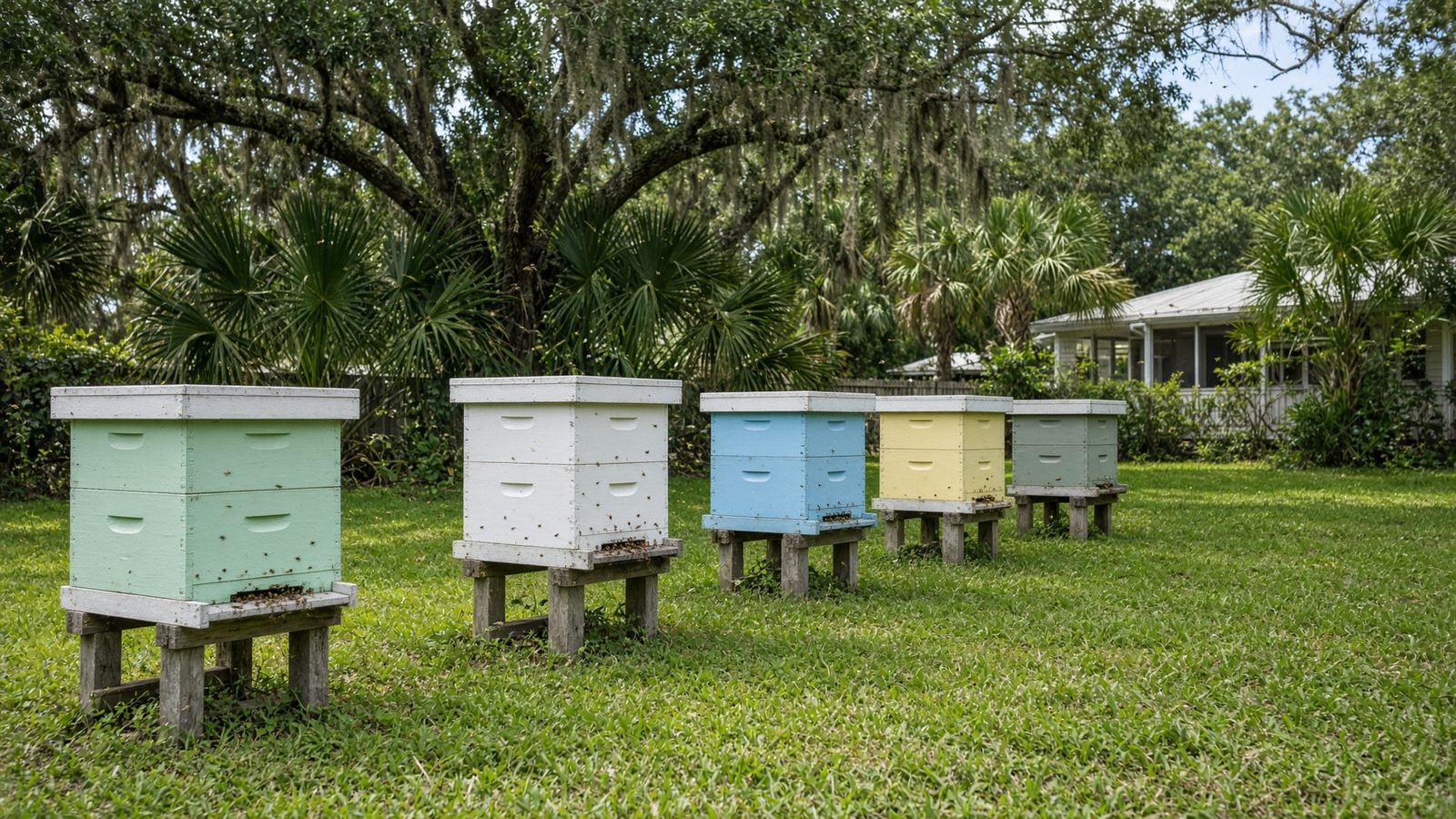
The Apiary
We keep our own colonies at Rustin Farms and manage them ourselves. This is where the honey begins — not a factory, a yard.
The apiary is part of everyday work here. We inspect, we feed when they need it, we harvest when the hives can spare it, and we learn as we go. Some weeks are quiet. Some weeks the yard is loud with forage.
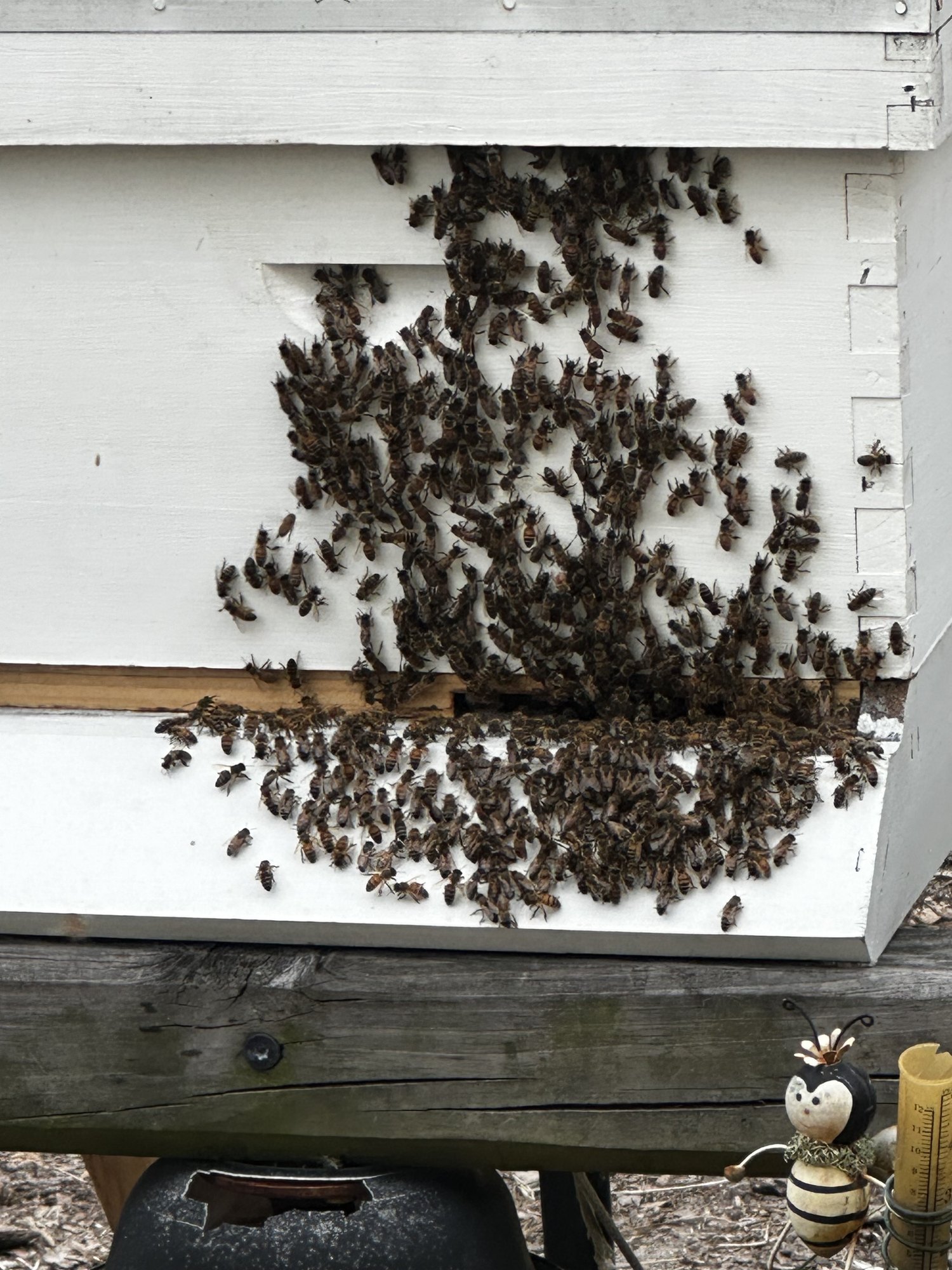
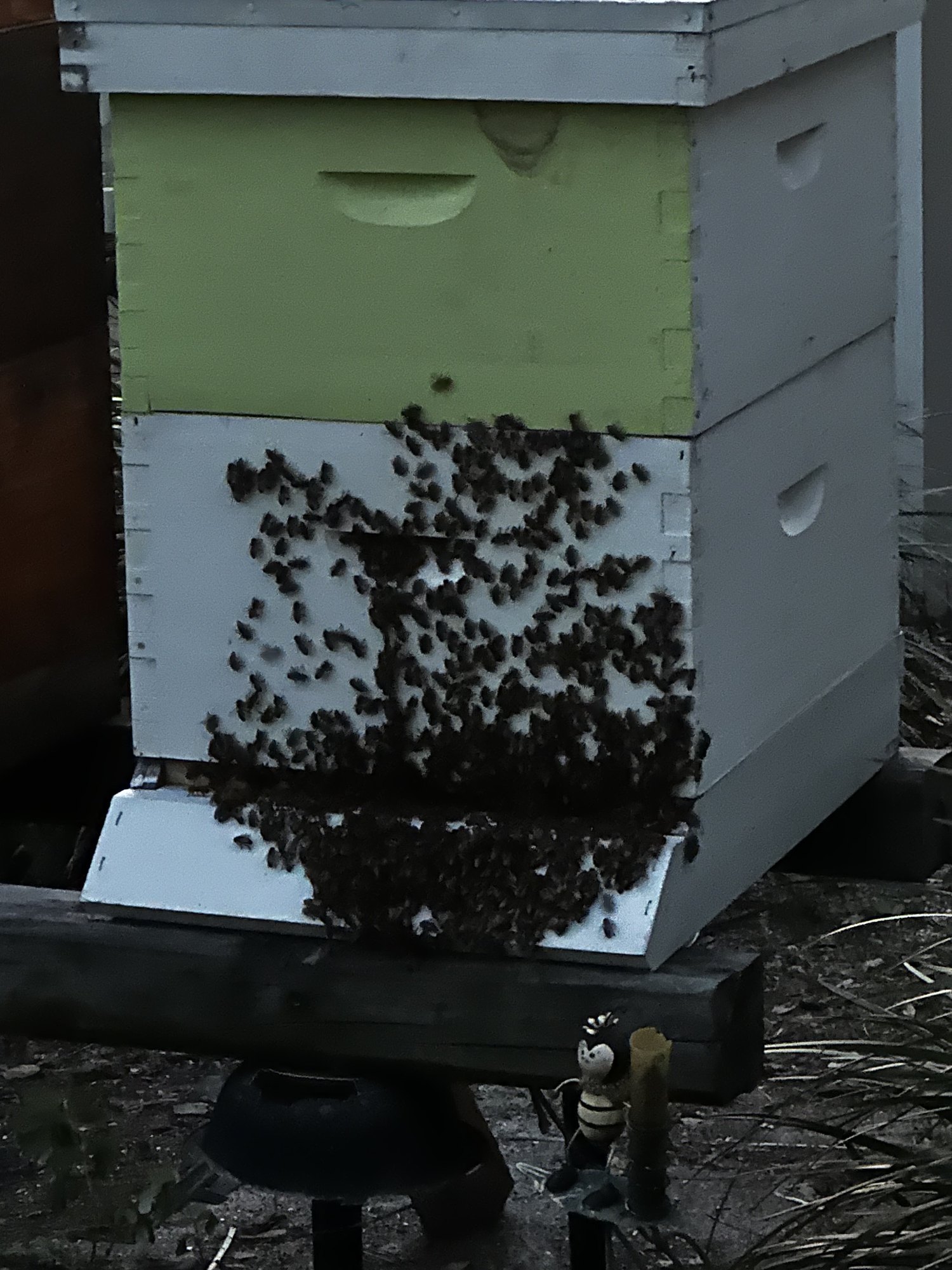
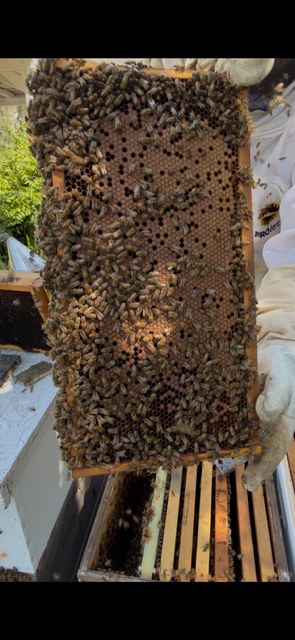
Comb, brood, stores, temperament — the usual language of a working hive. We photograph the frames so we can remember what a day actually looked like, not so we can pretend every inspection is a postcard.
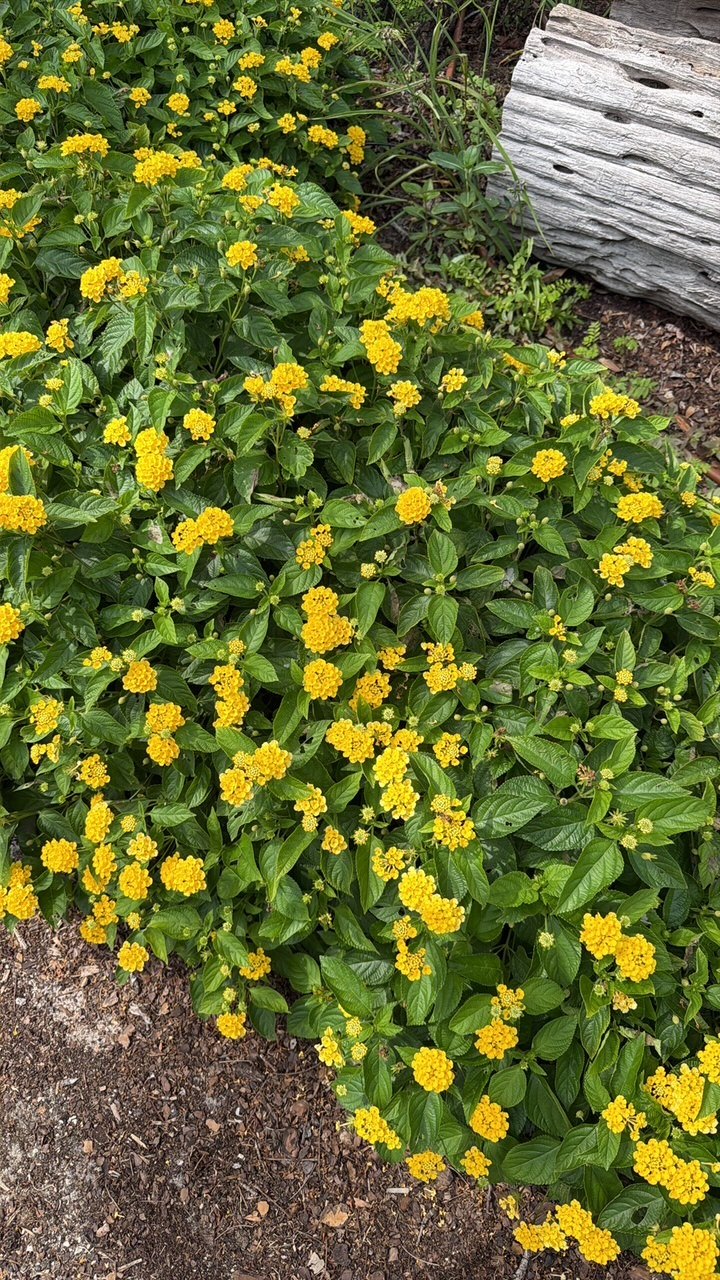
What goes in the jar is wildflower honey from our hives. The forage is whatever Florida is offering — around the pollinator garden, along the lakes, and well beyond the fence. We don't claim the bees stay on our property. Bees don't work that way.
Rustin Farms wildflower honey is harvested here in small batches. Raw. Unfiltered. Never heated. Packed in 8 oz and 16 oz jars when we have it.
Wildflower honey from our hives. Ask what we have on the shelf.
Ask about this jarWildflower honey from our hives. Ask what we have on the shelf.
Ask about this jarMade in a cottage food operation that is not subject to Florida's food safety regulations. Ingredients: 100% pure honey.
The pollinator garden is one of the projects we keep returning to. It is for the bees we keep and for whatever else finds it — native visitors included. It will never be finished, which is probably the point.